
National Moth Week is July 18-26!
Moths are amazing creatures. Take photographs and share your moth sightings with us to document the moths where you live.
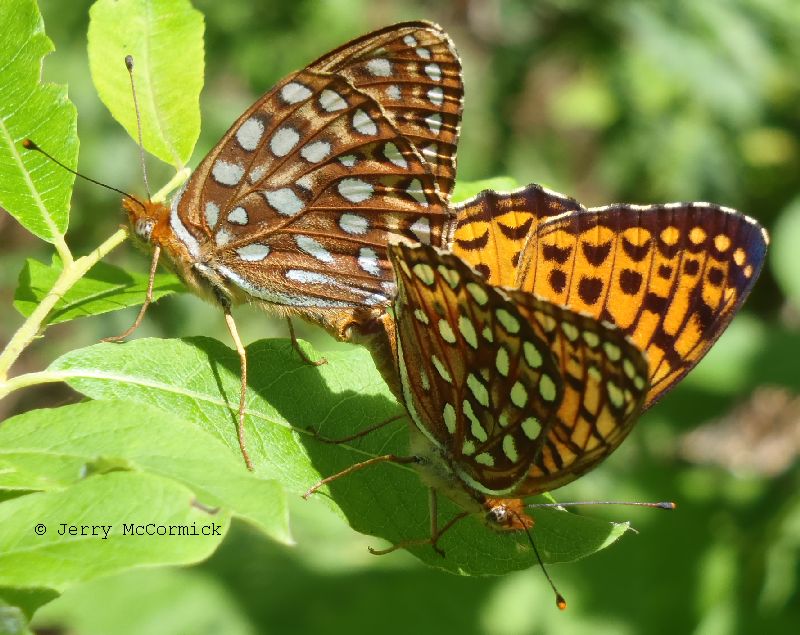
Atlantis Fritillary
Speyeria atlantis (W.H. Edwards, 1862)

Family: Nymphalidae
Subfamily: Heliconiinae
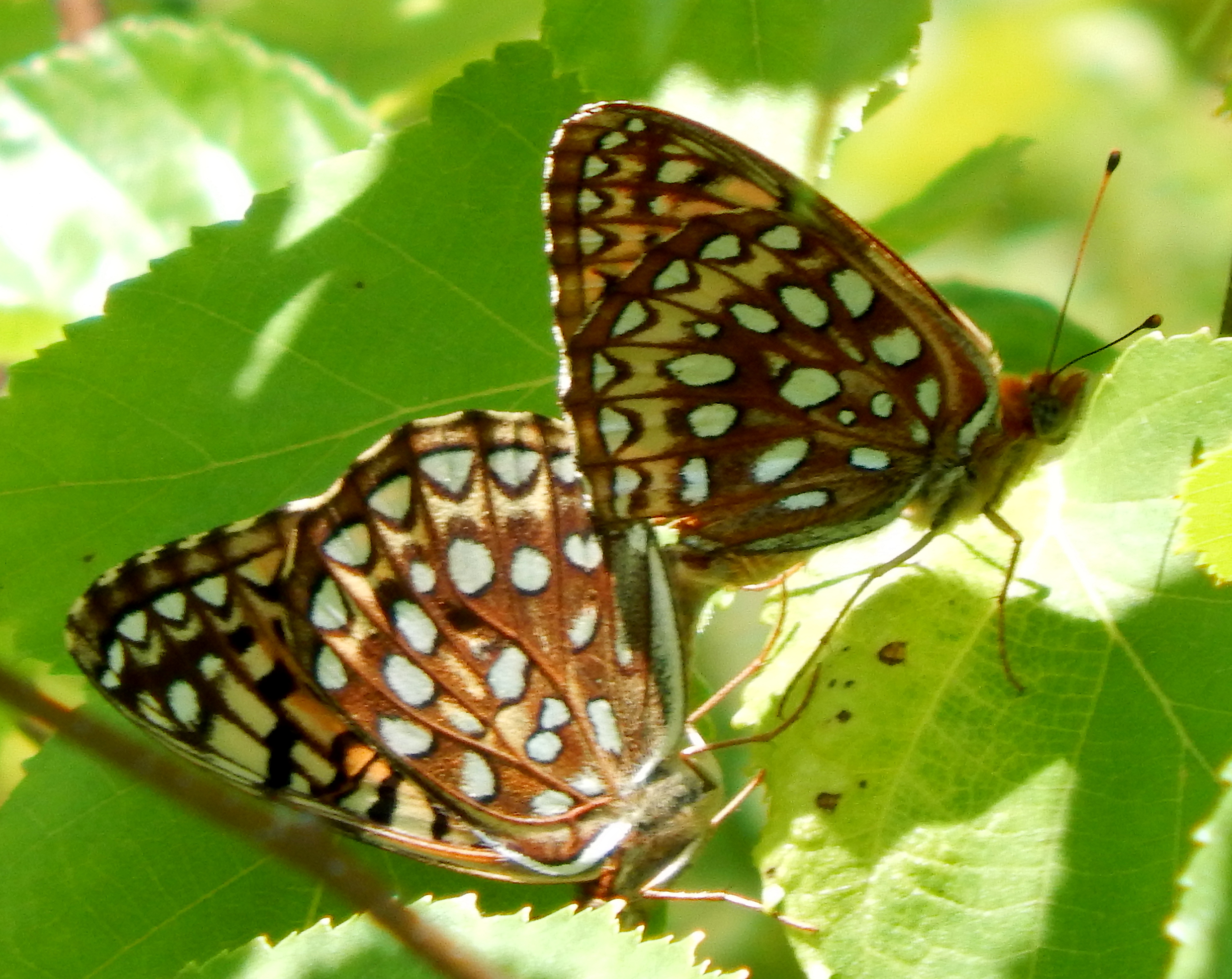
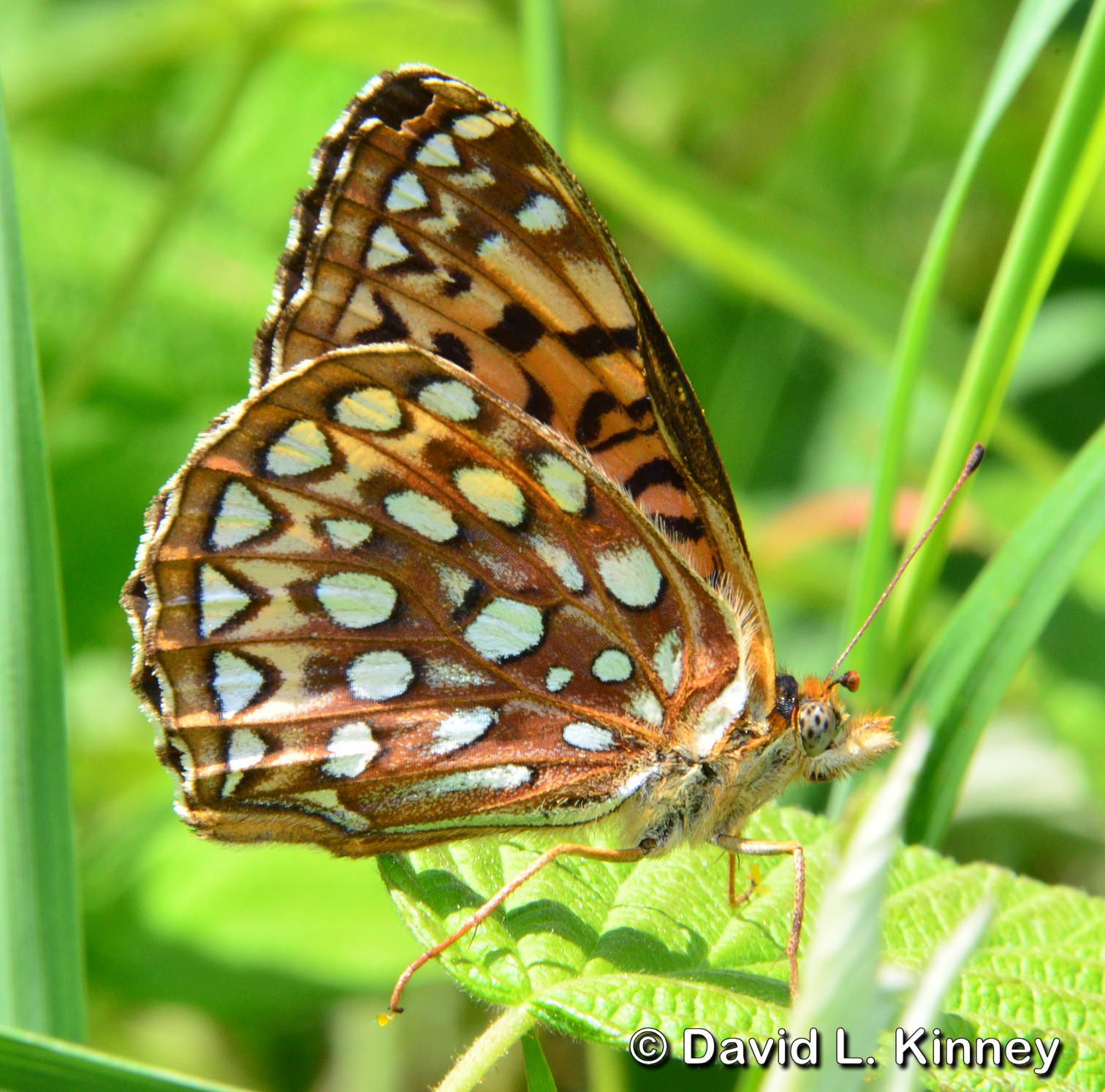
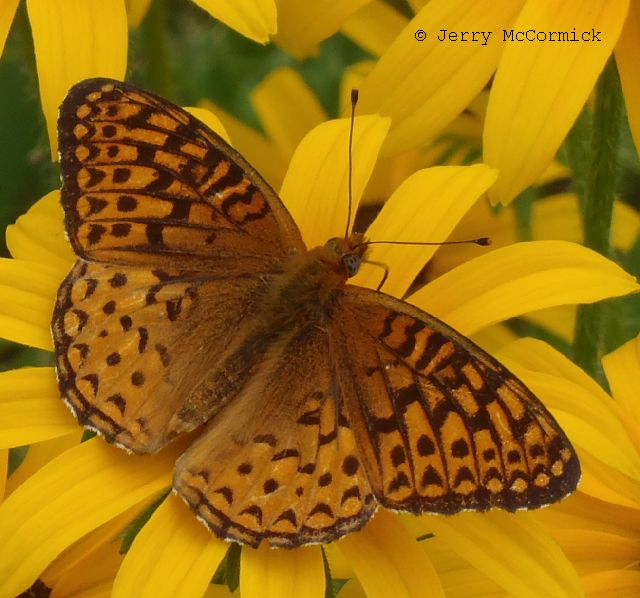
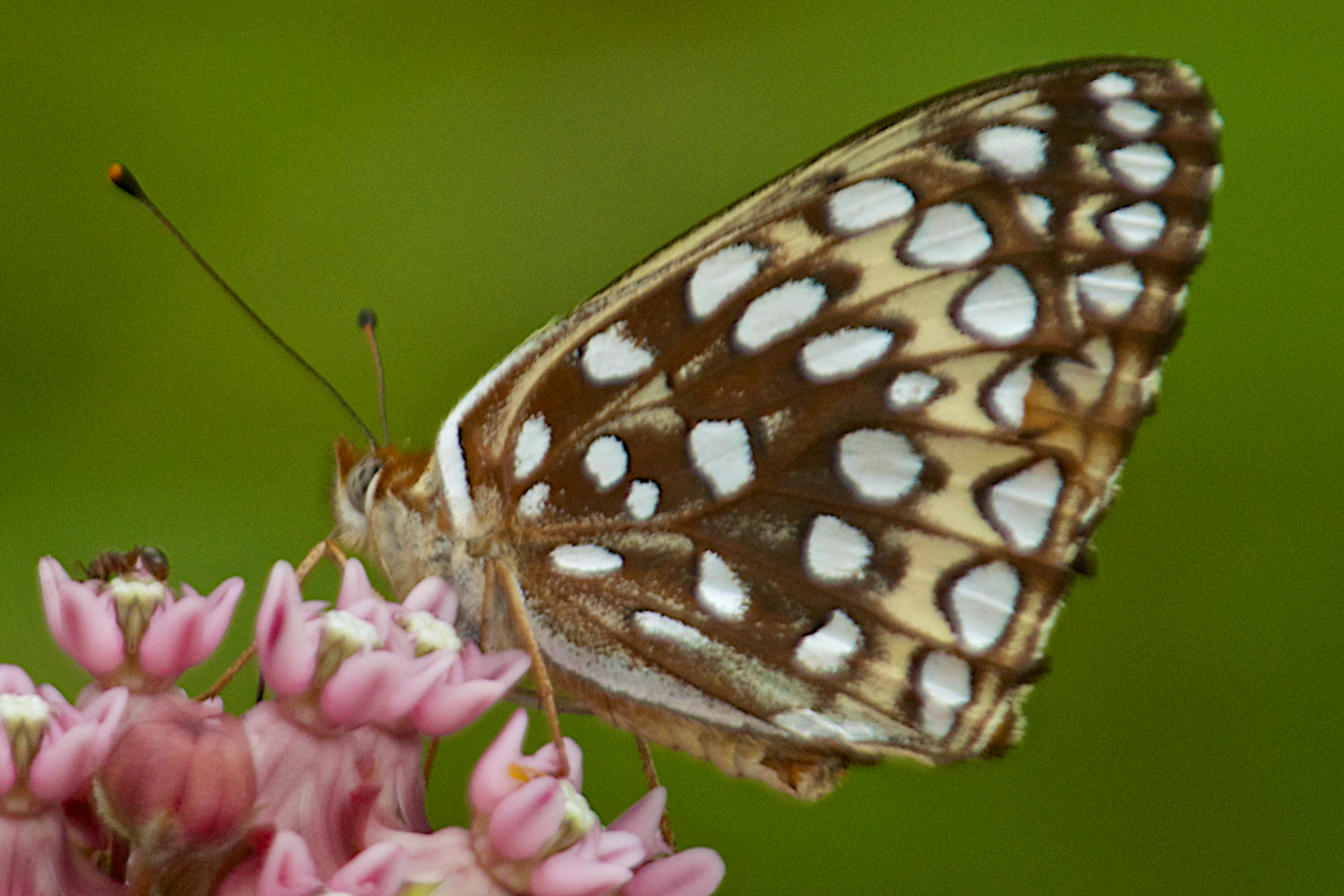
Identification: Quite variable. Upperside orange-brown, darker at base, with black outer margins; male has black scales on veins. Underside of hindwing with basal disk chocolate brown or purplish, hindwing spots always silvered.
Wing Span: 2 - 2 3/4 inches (5 - 7 cm).
Life History: Males patrol during the day in forested areas or along streams. Eggs are laid singly on leaf litter near host plant. Unfed first-stage caterpillars overwinter, emerging in spring to feed on leaves.
Flight: One flight from mid-June to September.
Caterpillar Hosts: Violets.
Adult Food: Flower nectar including that from common milkweed, mints, mountain laurel, crown vetch, burdock, boneset, ox-eye daisy, spiraea, and virgin\'s bower.
Habitat: Forest openings, upland pastures, bogs, meadows, and moist canyons.
Range: Maritime Provinces and northeast United States south to West Virginia, west through the Great Lakes region and southern Canada. South in Rocky Mountains to Colorado Front Range.
Conservation: Not usually of conservation concern.
NCGR: G5 - Demonstrably secure globally, though it may be quite rare in parts of its range, especially at the periphery.
Management Needs: None reported.


Please donate!
We depend on donations to keep Butterflies and Moths of North America freely available. We want to express our gratitude to all who showed their support by making a contribution this year. You can donate to support this project at any time.
Advertise with us!
Do you have a product or service that you think would interest BAMONA users? If you would like to advertise on this website, contact us by email, or use the contact form and select the "Advertising" category.
Verified Sightings
Displaying 49 - 72 of 1453 verified sightings

Observation date: Jul 04, 2023
Submitted by: Tom Dudones
Region: Franklin County, New York, United States
Verified by: jmgesell
Verified date: Jul 07, 2023
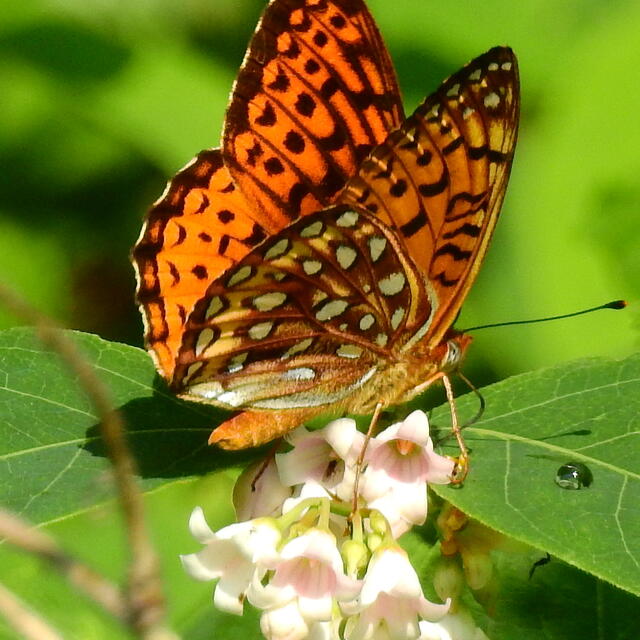
Observation date: Jul 05, 2023
Submitted by: Tom Dudones
Region: Essex County, New York, United States
Verified by: jmgesell
Verified date: Jul 07, 2023

Observation date: Jul 05, 2023
Submitted by: Tom Dudones
Region: Essex County, New York, United States
Verified by: jmgesell
Verified date: Jul 07, 2023
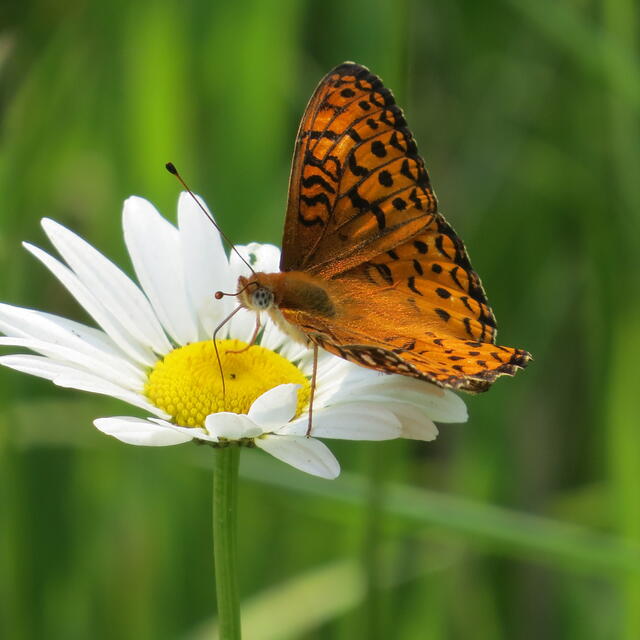
Observation date: Jun 22, 2023
Submitted by: jvkopple2
Region: Kalkaska County, Michigan, United States
Verified by: elsner
Verified date: Jun 26, 2023

Observation date: Aug 04, 2022
Submitted by: Christian.Nunes
Region: Boulder County, Colorado, United States
Verified by: mikefisher
Verified date: Feb 26, 2023

Observation date: Aug 05, 2017
Submitted by: Todd Boland
Region: Newfoundland and Labrador, Canada
Verified by: jmgesell
Verified date: Feb 22, 2023

Observation date: Jul 14, 2005
Submitted by: Tom Dudones
Region: Franklin County, New York, United States
Verified by: jmgesell
Verified date: Feb 10, 2023

Observation date: Jul 28, 2021
Submitted by: jrmbutterfly
Region: British Columbia, Canada
Verified by: Paul Prappas
Verified date: Sep 27, 2022
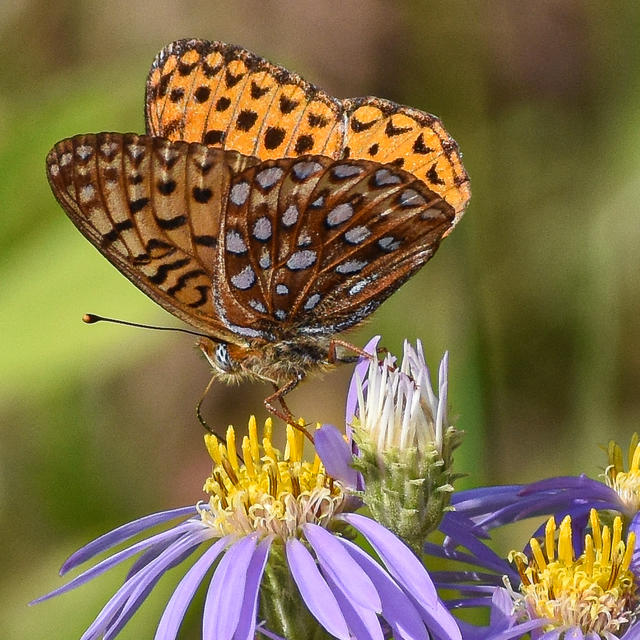
Observation date: Aug 11, 2017
Submitted by: Liz Osborn
Region: British Columbia, Canada
Verified by: Paul Prappas
Verified date: Sep 23, 2022

Observation date: Jul 29, 2012
Submitted by: Laur52
Region: British Columbia, Canada
Verified by: Paul Prappas
Verified date: Sep 23, 2022

Observation date: Jul 08, 2018
Submitted by: Liz Osborn
Region: British Columbia, Canada
Verified by: Paul Prappas
Verified date: Sep 16, 2022

Observation date: Jun 26, 2019
Submitted by: Liz Osborn
Region: British Columbia, Canada
Verified by: Paul Prappas
Verified date: Sep 16, 2022
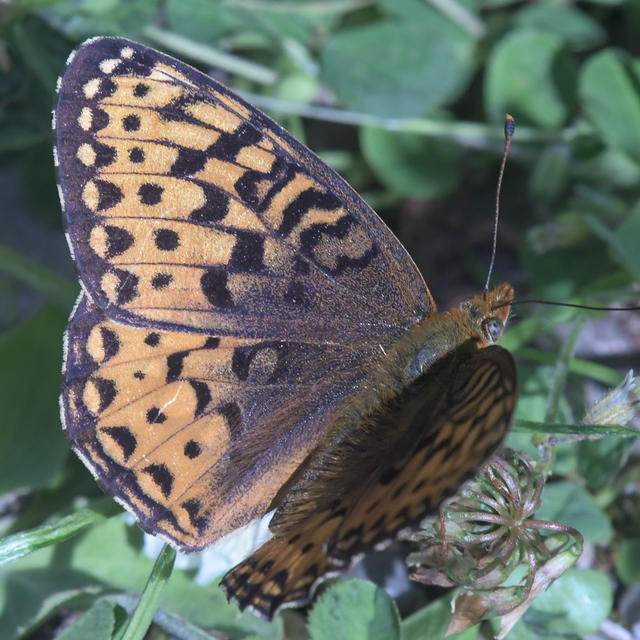
Observation date: Jul 15, 2019
Submitted by: Liz Osborn
Region: British Columbia, Canada
Verified by: Paul Prappas
Verified date: Sep 14, 2022

Observation date: Jul 04, 2021
Submitted by: Pheasantboy77
Region: Crawford County, Michigan, United States
Verified by: jwileyrains
Verified date: Sep 02, 2022

Observation date: Jul 06, 2021
Submitted by: Pheasantboy77
Region: Crawford County, Michigan, United States
Verified by: jwileyrains
Verified date: Sep 02, 2022

Observation date: Jul 04, 2021
Submitted by: Pheasantboy77
Region: Crawford County, Michigan, United States
Verified by: jwileyrains
Verified date: Sep 02, 2022
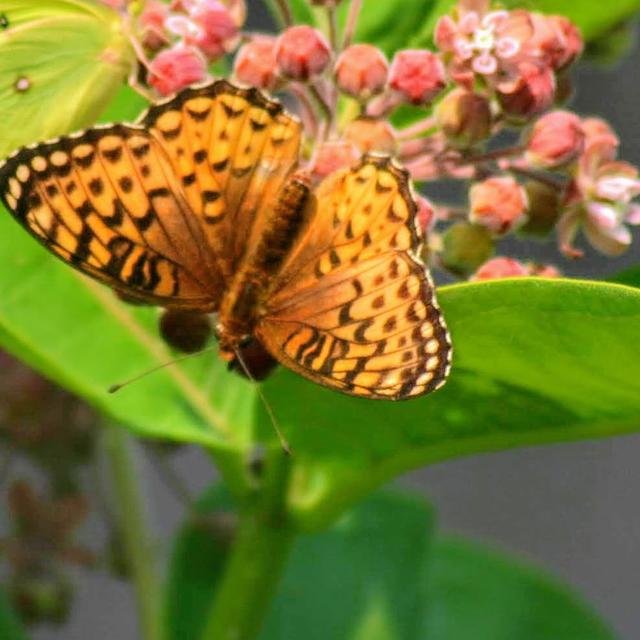
Observation date: Jul 04, 2021
Submitted by: Pheasantboy77
Region: Crawford County, Michigan, United States
Verified by: jwileyrains
Verified date: Sep 02, 2022

Observation date: Aug 08, 2021
Submitted by: John Gibbons
Region: Newfoundland and Labrador, Canada
Verified by: jmgesell
Verified date: Aug 10, 2022
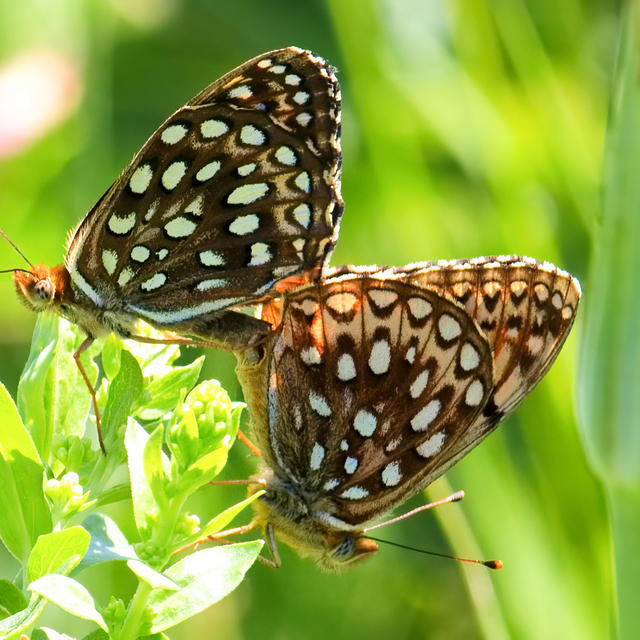
Observation date: Jul 28, 2022
Submitted by: dsperanza
Region: Montana, United States
Verified by: J_Martineau
Verified date: Aug 01, 2022

Observation date: Jul 07, 2022
Submitted by: rocksnstars
Region: Oxford County, Maine, United States
Verified by: John Calhoun
Verified date: Jul 27, 2022

Observation date: Jul 09, 2022
Submitted by: Bob Crowley
Region: Coos County, New Hampshire, United States
Verified by: John Calhoun
Verified date: Jul 15, 2022
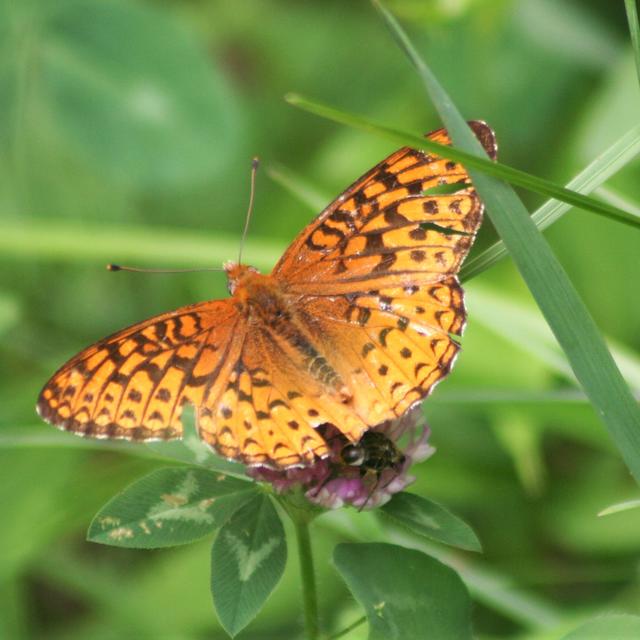
Observation date: Jul 12, 2022
Submitted by: Buzztail1
Region: Tucker County, West Virginia, United States
Verified by: curtis.lehman
Verified date: Jul 13, 2022
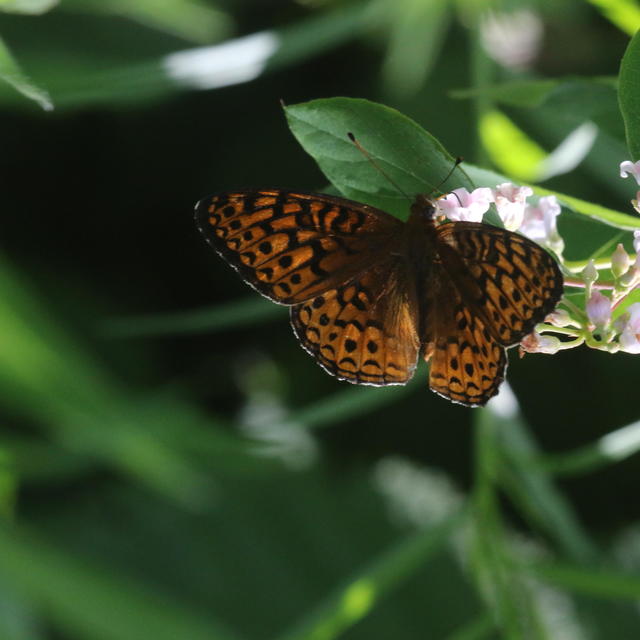
Observation date: Jun 28, 2022
Submitted by: Bob Crowley
Region: Coos County, New Hampshire, United States
Verified by: John Calhoun
Verified date: Jul 05, 2022
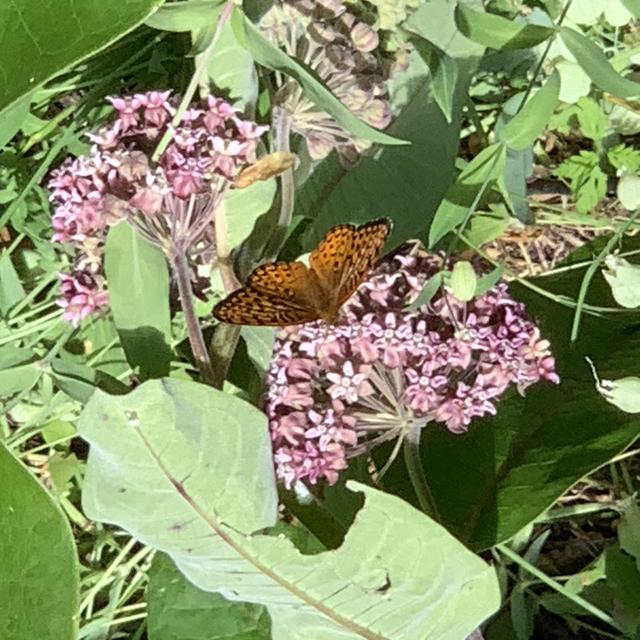
Observation date: Jul 03, 2022
Submitted by: MirKat
Region: Quebec, Canada
Verified by: jmgesell
Verified date: Jul 03, 2022
- ‹ previous
- 3 of 61
- next ›