Family Notodontidae
Subfamily:
Cerura scitiscripta
Black-Etched Prominent
Clostera albosigma
Sigmoid Prominent
Clostera inclusa
Angle-Lined Prominent
Dasylophia anguina
Black-Spotted Prominent
Dasylophia thyatiroides
Gray-Patched Prominent
Datana angusii
Angus's Datana
Datana contracta
Contracted Datana
Datana drexelii
Drexel's Datana
Datana integerrima
Walnut Caterpillar Moth
Datana major
Major Datana
Datana ministra
Yellow-necked Caterpillar Moth
Datana perspicua
Spotted Datana
Ellida caniplaga
Linden Prominent
Furcula borealis
White Furcula
Furcula cinerea
Gray Furcula
Furcula scolopendrina
Zigzag Furcula Moth
Gluphisia septentrionis
Common Gluphisia
Heterocampa biundata
Wavy-lined Heterocampa
Heterocampa guttivitta
Maple Prominent
Heterocampa obliqua
Oblique Heterocampa
Heterocampa subrotata
Small Heterocampa
Heterocampa umbrata
White-blotched Heterocampa
Hyparpax aurora
Pink Prominent
Hyperaeschra georgica
Georgian Prominent
Lochmaeus bilineata
Double-lined Prominent
Lochmaeus manteo
Variable Oakleaf Caterpillar Moth
Macrurocampa marthesia
Mottled Prominent
Misogada unicolor
Drab Prominent
Nadata gibbosa
White-dotted Prominent
Nerice bidentata
Double-toothed Prominent
Odontosia elegans
Elegant Prominent
Oligocentria lignicolor
White-Streaked Prominent
Oligocentria semirufescens
Red-washed Prominent
Peridea angulosa
Angulose Prominent
Peridea basitriens
Oval-based Prominent
Peridea ferruginea
Chocolate Prominent
Pheosia rimosa
Black-rimmed Prominent
Phryganidia californica
California Oakworm
Schizura apicalis
Plain Schizura
Schizura badia
Chestnut Schizura
Schizura concinna
Red-humped Caterpillar Moth
Schizura ipomoeae
Morning-glory Prominent
Schizura leptinoides
Black-blotched Schizura
Schizura unicornis
Unicorn Caterpillar Moth
Symmerista albifrons
White-headed Prominent
Symmerista leucitys
Orange-humped Mapleworm
Description
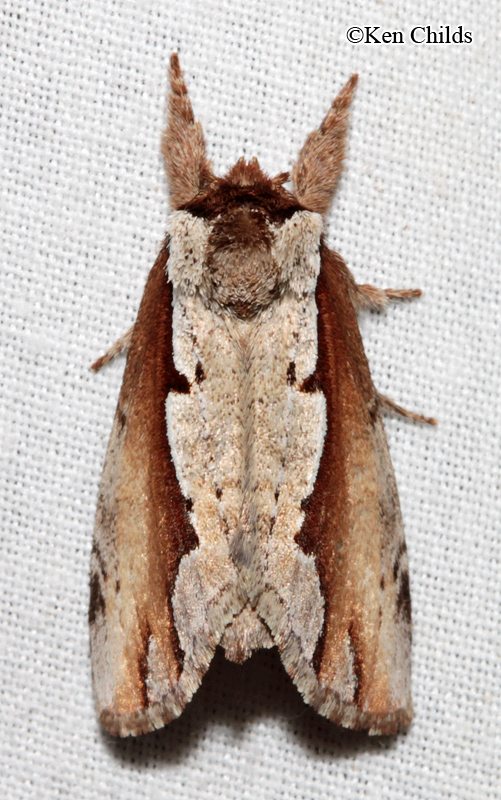
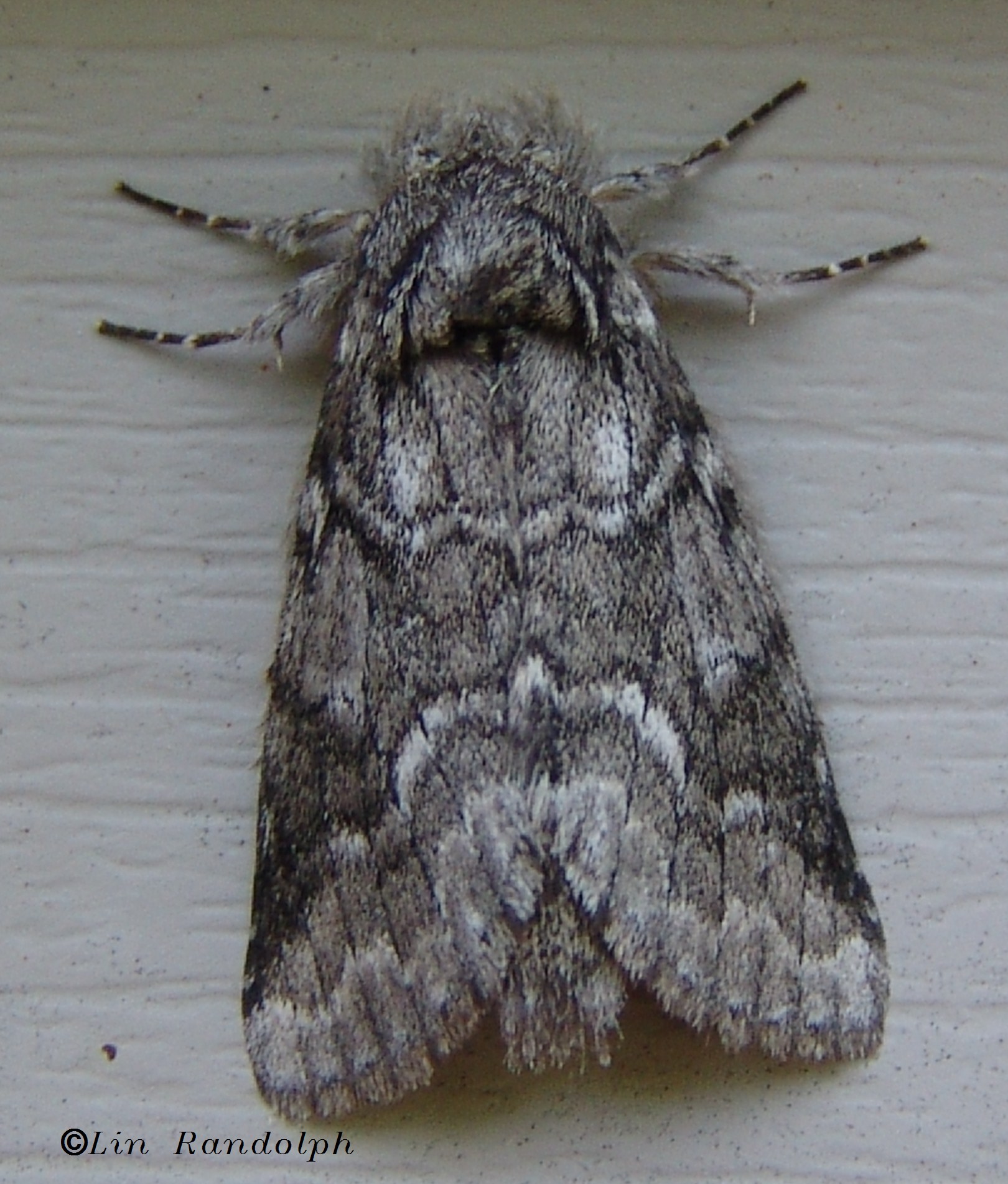
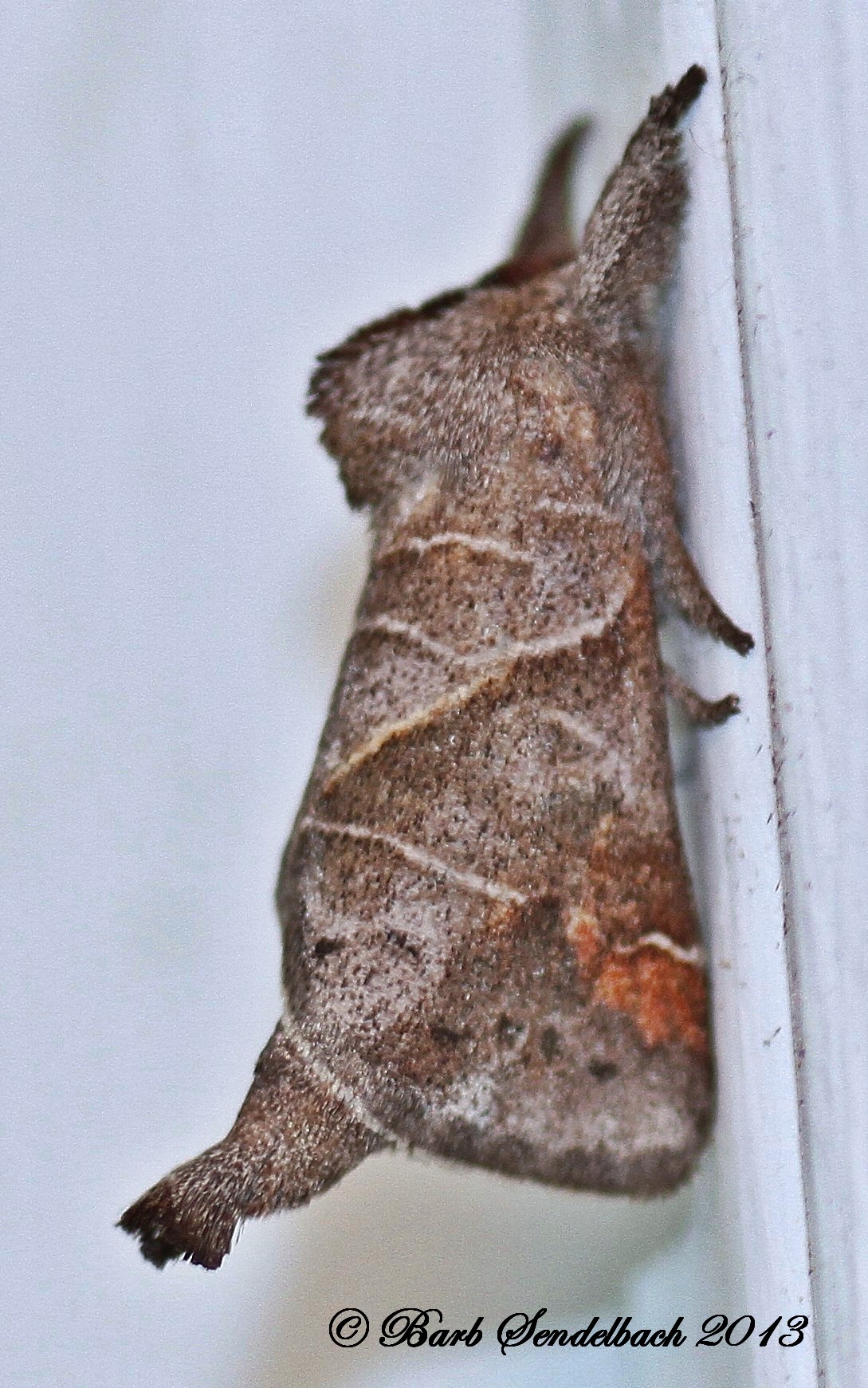
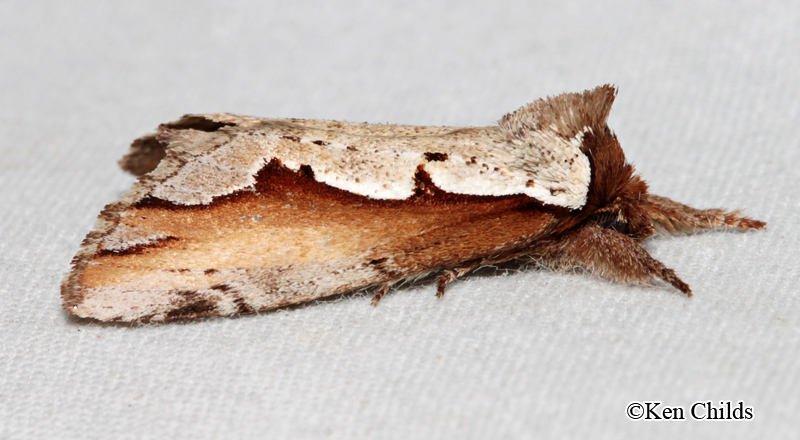
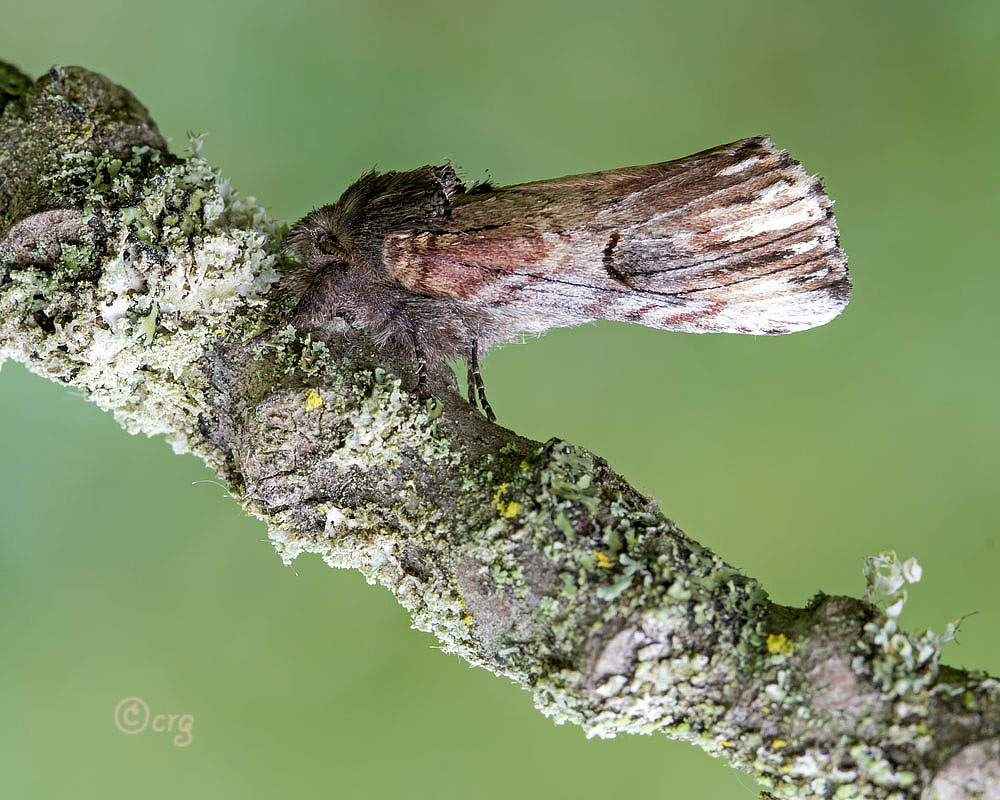
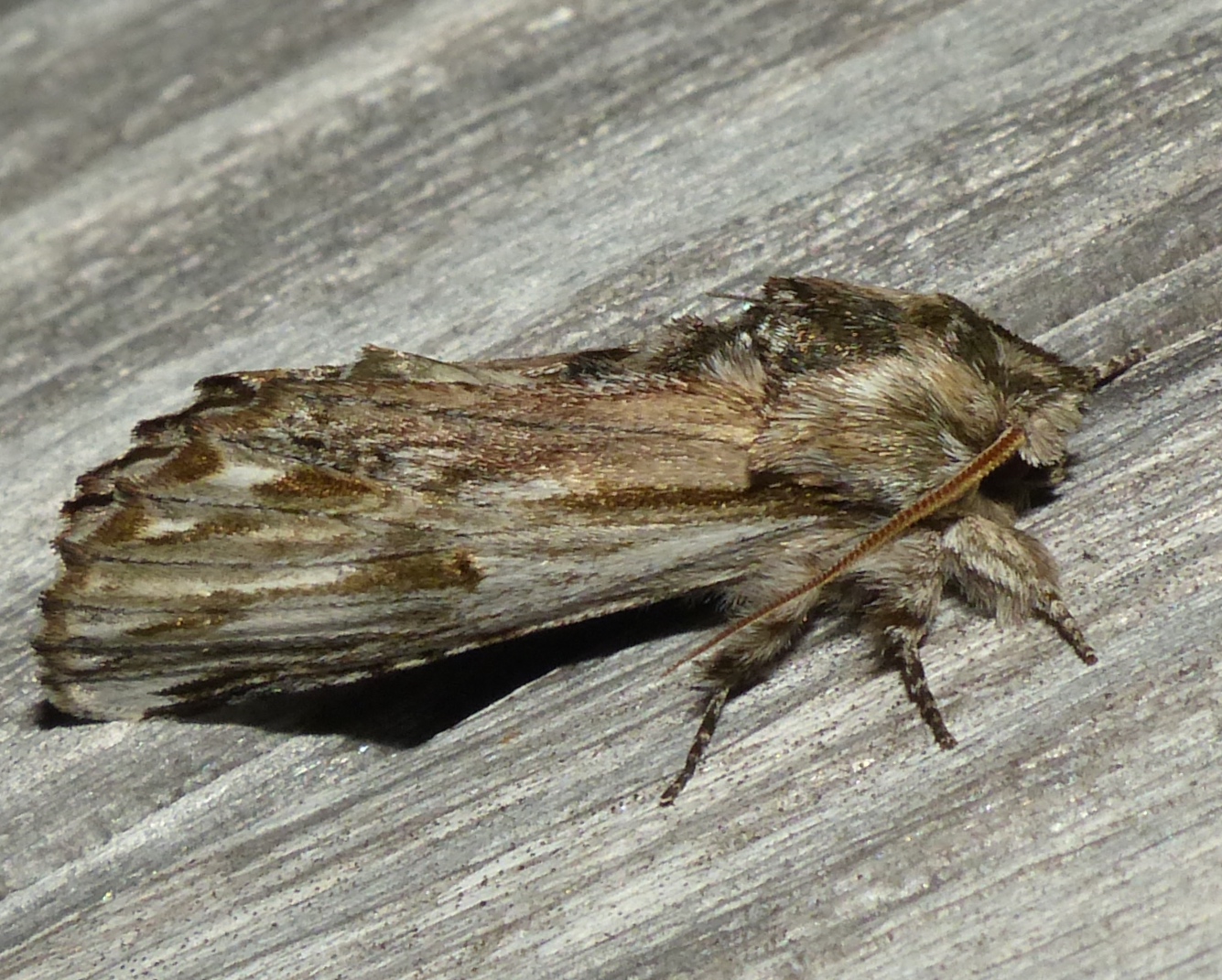
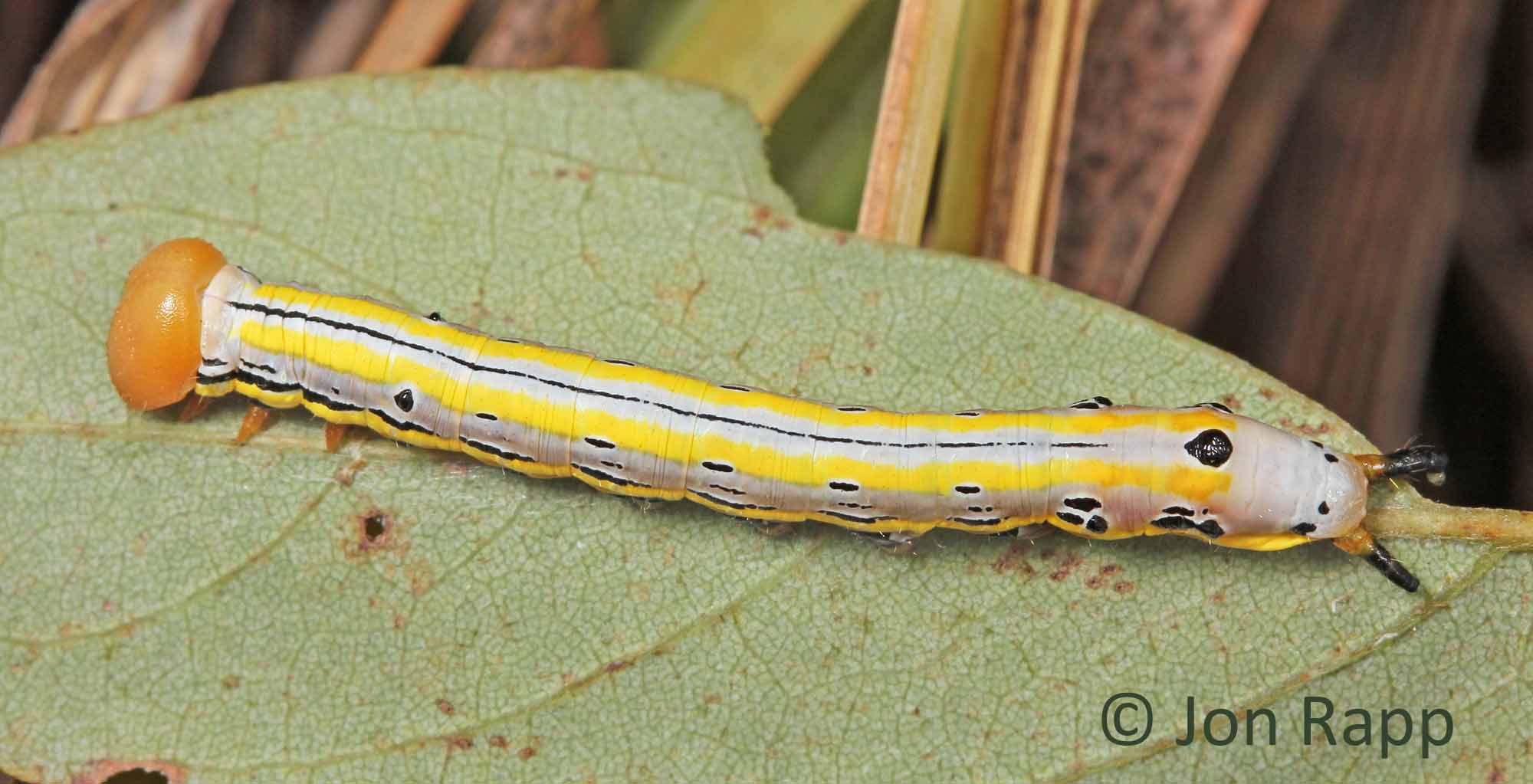
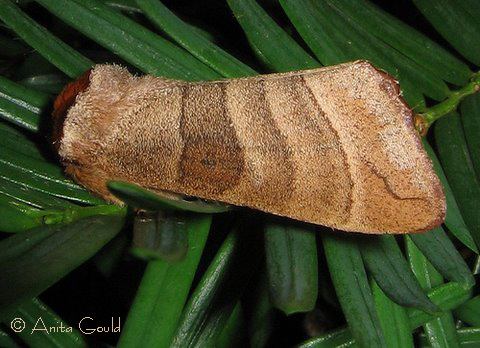
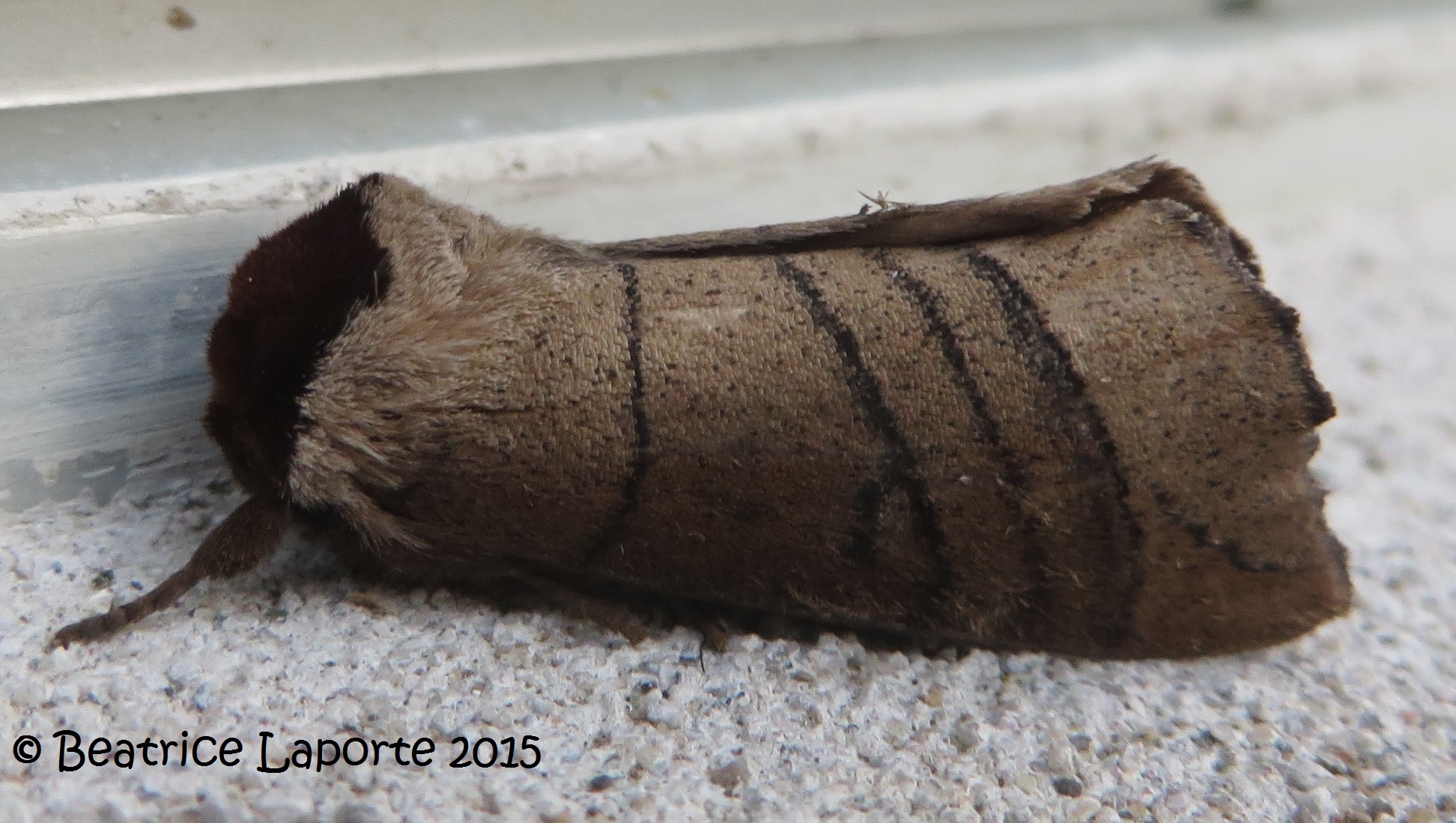
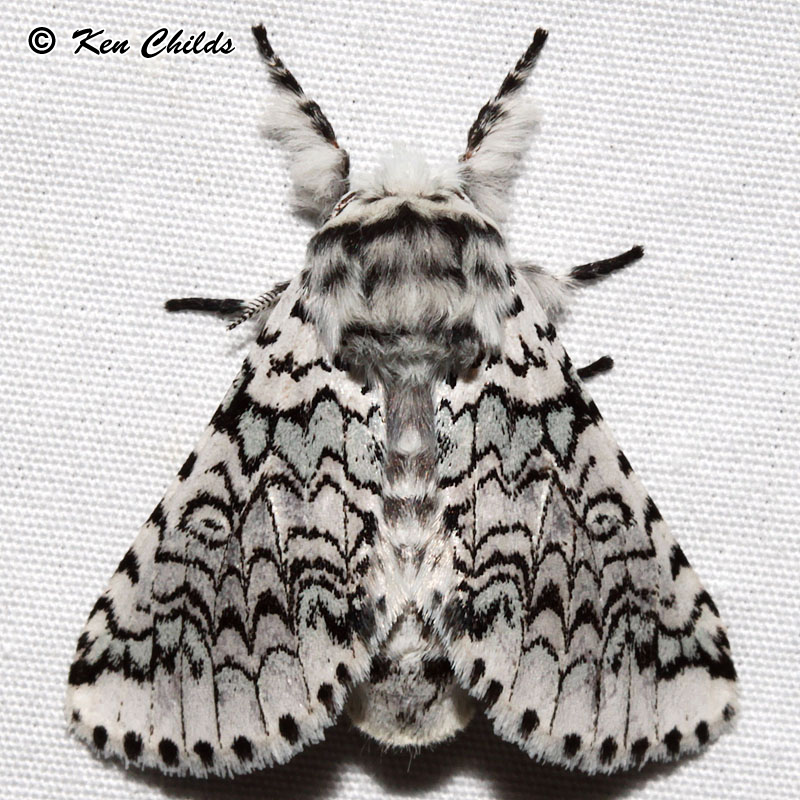
The Notodontidae are members of the Superfamily Noctuoidea. These medium-sized moths have stout bodies and are typically drab--brown or grayish in color. Female prominents are generally larger than males. The proboscis varies widely; it is specialized in some species and reduced in others. When resting, prominents either hold their wings like a roof over the body or roll them, causing the moth to look like a stick. Larvae of some species are oddly shaped and look like parts of the host plant. Others are brightly colored and striped. Some are serious forest pests. Most prominents overwinter as larvae, pupating in a cell in the soil or in a loose cocoon on the ground in the spring.